Budget With Confidence
Dumpster Rental Costs in Wyoming
Hopper Disposal uses straightforward flat-rate pricing with generous weight allowances and zero hidden fees. This guide explains how quotes are built, why rates vary by city, and the strategies our team uses to protect your budget.
Core Pricing Components
Every Hopper Disposal quote includes delivery, pickup, landfill or transfer station fees up to the listed weight allowance, driveway protection boards, and basic permitting assistance. Fuel, truck maintenance, dispatch support, and environmental surcharges are already baked into the rate so you never see surprise add-ons. The only variables that change from project to project are the container size you select, the address we will service, disposal facility fees in that region, and whether specialized handling—such as recycling segregation or overweight debris—applies.
Wyoming has a mix of municipal and private landfills, each with their own tipping structures. Fremont County locations typically charge by weight, while rural areas may blend weight limits with per-load fees. We service Fremont County and surrounding areas, so our pricing engine maps your address to the nearest disposal facility and pulls in their current rate sheet. That means your estimate mirrors real costs and our invoice will match to the dollar unless the job scope changes midstream.
| Dumpster Size | Typical Flat Rate | Included Weight | Best For |
|---|---|---|---|
| 15 Yard Dumpster | Call for pricing | Includes 2 tons | Single-room remodels, roofing tear-offs under 35 squares, seasonal cleanouts. |
| 20 Yard Dumpster | Call for pricing | Includes 3 tons | Whole-home decluttering, medium renovations, light commercial refreshes. |
| 30 Yard Dumpster | Call for pricing | Includes 4 tons | Large remodels, estate cleanouts, multi-unit flips, small demo jobs. |
| 40 Yard Dumpster | Call for pricing | Includes 5 tons | Major construction, disaster recovery, municipal or industrial projects. |
*Rates vary by distance to the nearest disposal facility, permit requirements, and material density. Call (307) 851-9521 for an exact quote.
Understanding Weight Overage
The included tonnage on each dumpster tier covers typical debris mixes. When a load exceeds that allowance, the landfill charges a per-ton overage fee that we pass through. Call us to learn about current overage rates for your area. You can avoid surprise costs by loading heavy materials—tile, plaster, soil, shingles, asphalt—first and keeping their height below the halfway mark. If you anticipate extremely dense debris, ask about dedicated heavy-material cans, which use shorter sides and higher tonnage limits at discounted rates.
Hopper Disposal emails every customer a copy of the landfill weight ticket so you can verify the scale reading. Contractors frequently attach those tickets to pay applications or insurance claims, while homeowners appreciate having documentation for their records. If the scale appears inaccurate, we will dispute it with the facility and resolve the question before final billing.
Permit & Access Considerations
Street placement in Riverton, Lander, Dubois, and many HOA-managed communities requires a temporary right-of-way permit. Fees vary depending on the jurisdiction and duration. Hopper Disposal manages the application, barricades, and site photos, then adds the exact municipal fee to your invoice with a scanned receipt. When the dumpster can sit fully on private property—driveways, parking pads, or jobsite slabs—permits are typically unnecessary. Call us to discuss permit requirements for your location.
For remote or mountainous properties, access roads may limit the truck size we can send. Our team evaluates Google Street View, property plats, and any photos you supply, then determines whether specialized equipment or multiple small swaps will be more economical than forcing a single large container into a tight canyon. Those recommendations appear on your quote so you can plan labor and schedule accordingly.
Ways to Reduce Your Dumpster Bill
- Consolidate timelines. Plan demolition or cleanout phases so you fill the container quickly. Shorter rentals mean fewer extension days, and one well-timed swap beats multiple small orders.
- Segregate recyclables. Clean loads of concrete, asphalt, metal, cardboard, or green waste qualify for discounted disposal at specialty facilities. We can stage separate bins or schedule back-to-back hauls to keep materials compliant.
- Communicate special items early. Mattresses, appliances, tires, and railroad ties require surcharges at many landfills. When we know ahead of time, we can route the load to the cheapest facility and note prep steps like refrigerant removal.
- Share dumpsters on multi-unit projects. Property managers often rotate one container between townhome buildings or phases of a commercial build to maximize the weight allowance before ordering a replacement.
City-Specific Pricing Guides
Looking for pricing information for a specific city? Check out our detailed guides:
- Dumpster Rental Cost in Fremont County, WY - Complete pricing guide with answers to common cost questions for Fremont County
Frequently Asked Questions About Dumpster Rental Costs
Get answers to the most common questions about dumpster rental pricing in Wyoming.
1How much does a dumpster rental cost in Fremont County, Wyoming?
Dumpster rental costs in Fremont County depend on dumpster size, debris type, and weight/tonnage. The exact price depends on what you're throwing away, how long you keep it, and your delivery location. Call (307) 851-9521 for a personalized quote for your project.
2What size dumpster do I need for my project?
The right dumpster size depends on your project type and debris volume. For small cleanouts or minor remodeling, a 10-yard dumpster is sufficient (holds about 4 pickup truck loads). For kitchen remodels, bathroom renovations, or medium cleanouts, a 20-yard dumpster works best (holds about 8 pickup truck loads). For whole-house cleanouts, large renovations, or roofing projects, a 30-yard dumpster is ideal (holds about 12 pickup truck loads). For major construction or commercial projects, a 40-yard dumpster is recommended (holds about 16 pickup truck loads). The larger the dumpster, the more debris capacity and weight allowance you get. Call us at (307) 851-9521 to discuss your project and we'll recommend the right size.
3How long can I keep a dumpster rental?
Most dumpster rentals include 7 days (1 week) as the standard rental period. If you need more time, extended rentals are available. The rental period covers the time the dumpster sits at your location. During this time, you can fill it at your own pace. We handle delivery on day 1 and pickup when you're done or when the rental period ends. 7-day rental is perfect for most home projects (cleanouts, small renovations, moving). 14-day rental works well for larger renovations or projects you're doing yourself on weekends. 30-day rental is ideal for major construction projects, whole-house renovations, or contractor jobs that span several weeks. Call (307) 851-9521 to discuss your timeline and get pricing for extended rentals.
4Do I need a permit for a dumpster in Wyoming?
You typically don’t need a permit if the dumpster is placed on private property (driveway, yard, or a lot you control). If you want to place the dumpster on a public street, sidewalk, or public right-of-way, you may need a permit from your local municipality. Requirements and fees vary by town, so call us and we’ll help you figure out what applies for your address.
5What can I put in a dumpster rental?
You can put most common waste in a dumpster: household items (furniture, mattresses, boxes, clothing, books), construction debris (drywall, wood, flooring, cabinets, fixtures), yard waste (branches, leaves, grass, small stumps), appliances (refrigerators, washers, dryers - with fees), and general trash. You CANNOT put hazardous materials in a dumpster: paint, chemicals, solvents, oil, gasoline, propane tanks, batteries, tires, asbestos, medical waste, or electronics in some cases. Standard dumpster rental includes disposal of general waste and construction debris. Some items (like appliances with Freon, mattresses in some areas) have additional disposal fees because they require special handling. Landfills and transfer stations have strict regulations about hazardous materials for environmental and safety reasons. These items can contaminate groundwater, cause fires, or harm workers. Prohibited items must go to specialized facilities. For allowed items, just toss them in the dumpster - no sorting required for most rentals. For prohibited items, we'll recommend alternative disposal options. Call (307) 851-9521 if you have questions about what can go in your dumpster.
6Why do dumpster rental prices vary so much between companies?
Dumpster rental prices vary between companies for several key reasons: Operating costs differ (truck maintenance, fuel, insurance, labor costs vary by company size and efficiency). Disposal fee agreements vary (larger companies negotiate better rates with landfills, passing savings to customers, while smaller companies pay retail dump fees). Service quality differences (some include extras like same-day delivery, flexible scheduling, or customer service that justify higher prices). Geographic coverage (companies serving wider areas charge more for distant deliveries). Business overhead (national franchises have marketing and franchise fees built into pricing, while local companies may have lower overhead). Hidden fees (some companies advertise low base prices but add fees for delivery, pickup, fuel surcharges, environmental fees, while others offer all-inclusive pricing). At Hopper Disposal, we offer transparent all-inclusive pricing with no hidden fees. Call (307) 851-9521 for a quote.
7What are common hidden fees in dumpster rental?
Common hidden fees to watch for: Delivery and pickup fees (some companies charge separately), fuel surcharges, environmental or administrative fees, weight overage fees (per ton over the limit), rental extension fees (per extra day), permit fees if placement requires city approval, prohibited item fees if restricted materials are found, damage fees if the dumpster or your property is damaged, weekend or holiday delivery fees, and early pickup fees. What to expect from reputable companies: All fees disclosed upfront in the quote. Weight limits clearly stated. Transparent pricing with no surprise charges. Written agreements listing all included services and potential extra fees. When getting a quote, ask: Does this include delivery and pickup? What's the weight limit? What if I go over? Are there fuel surcharges? What items aren't allowed? A good company will answer everything clearly and put it in writing. Call (307) 851-9521 for transparent, all-inclusive pricing.
8Is it cheaper to rent a dumpster for longer periods?
It depends on your project timeline and needs. Standard 7-day rental includes everything and is most cost-effective for typical projects. 14-day rental is good value if you need the extra week. 30-day rental is best for long-term projects. Extended rates are available if you only need a few extra days. Why longer rentals cost more: Each day the dumpster sits with you is a day we can't rent it to another customer. We have to allocate that dumpster to you for the entire period. What to expect: Most projects finish within 7 days (weekend warriors, small contractors, cleanouts). Longer rentals make sense for DIY renovations (working evenings/weekends over several weeks) or staged construction projects. You can always extend if needed, but planning the right duration upfront saves money. Call (307) 851-9521 to discuss your timeline and get pricing for your specific needs.
Request a Precise Quote
Call or text (307) 851-9521. Share the project address, debris types, target delivery date, and any permit notes. We will respond with a documented estimate, confirm availability, secure approvals if needed, and keep your job on budget from the first swing of demolition to the final haul-off.
Quick Overview of pricing dumpster rental costs
What to expect
- Clear pricing and delivery windows tailored to your area.
- Right-size container guidance so you avoid overage fees.
- Local support from Hopper Disposal for fast questions.
How to get started
- Confirm your project scope and pickup timeline.
- Choose a dumpster size based on debris volume.
- Schedule delivery and load within the fill line.
Recent Dumpster Projects
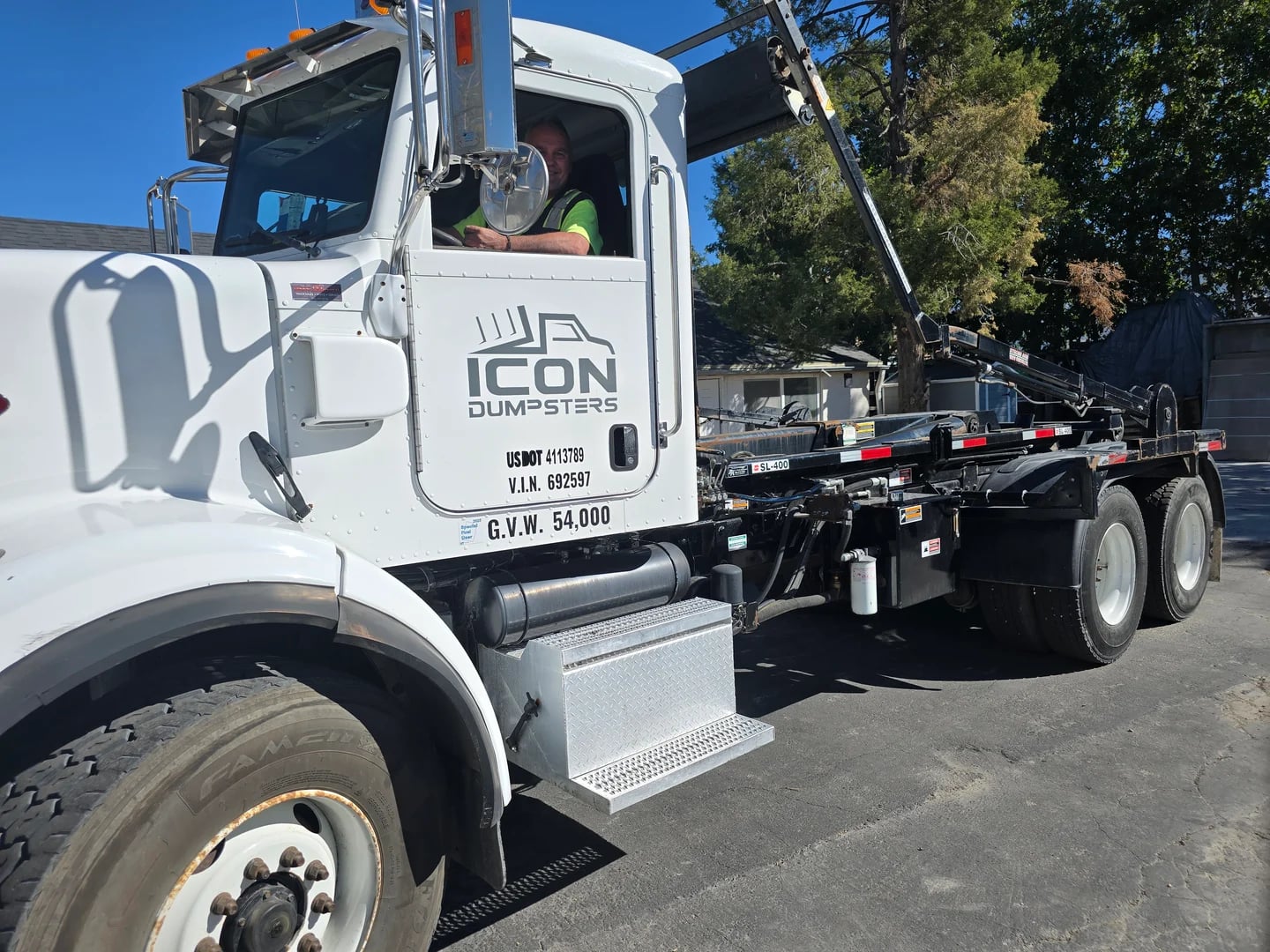
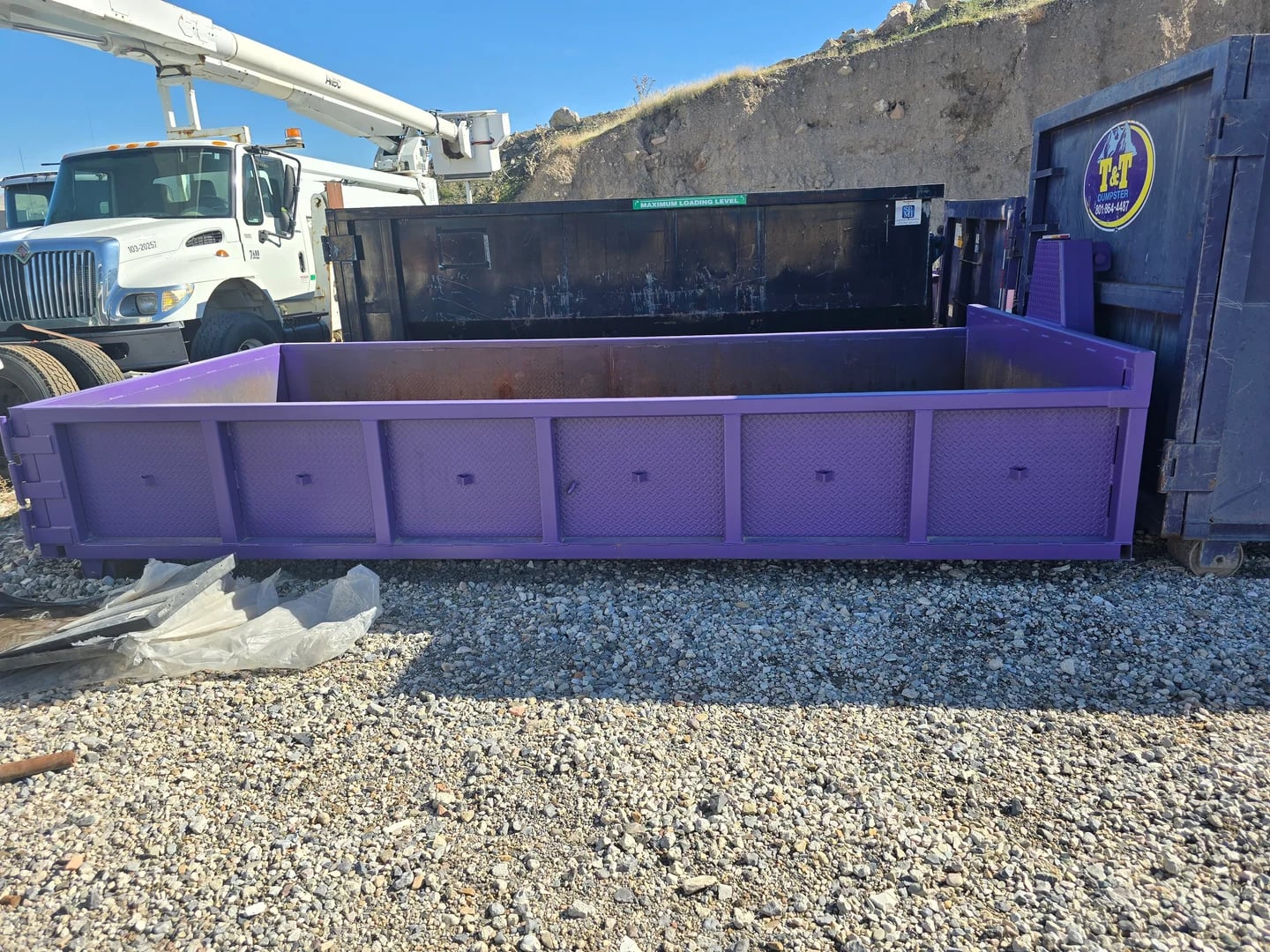
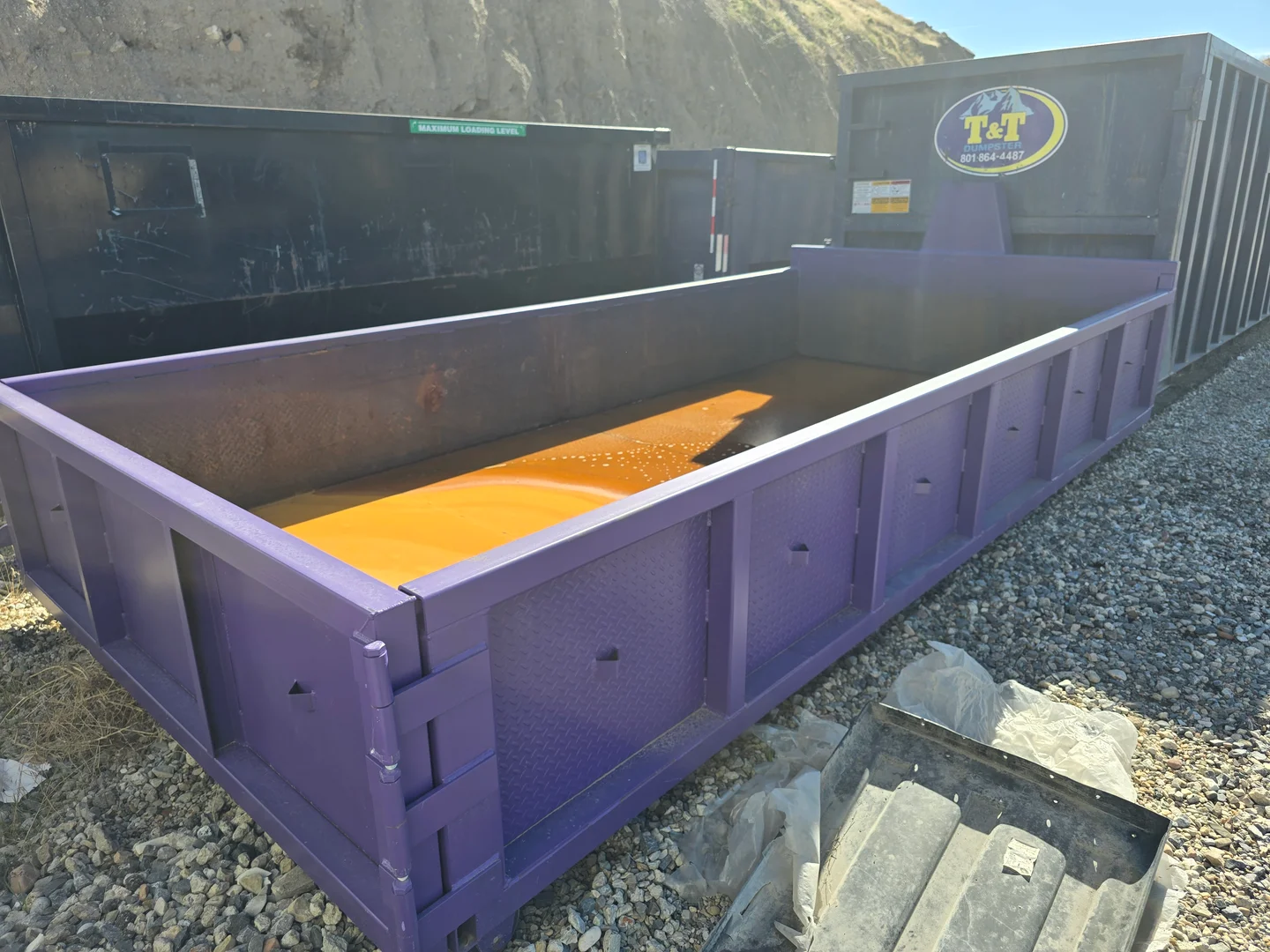
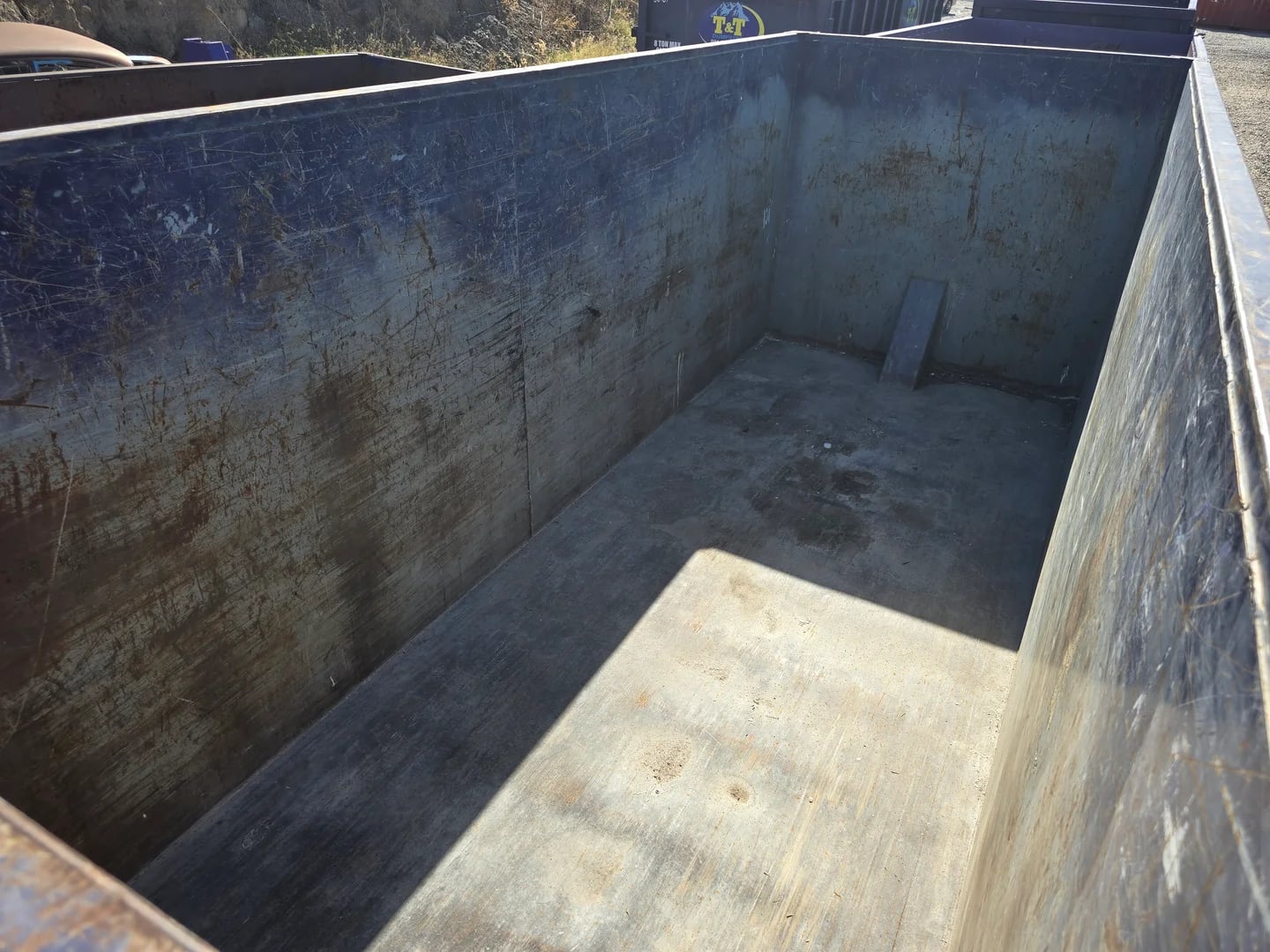
Real-world deliveries, cleanouts, and job sites across Wyoming.